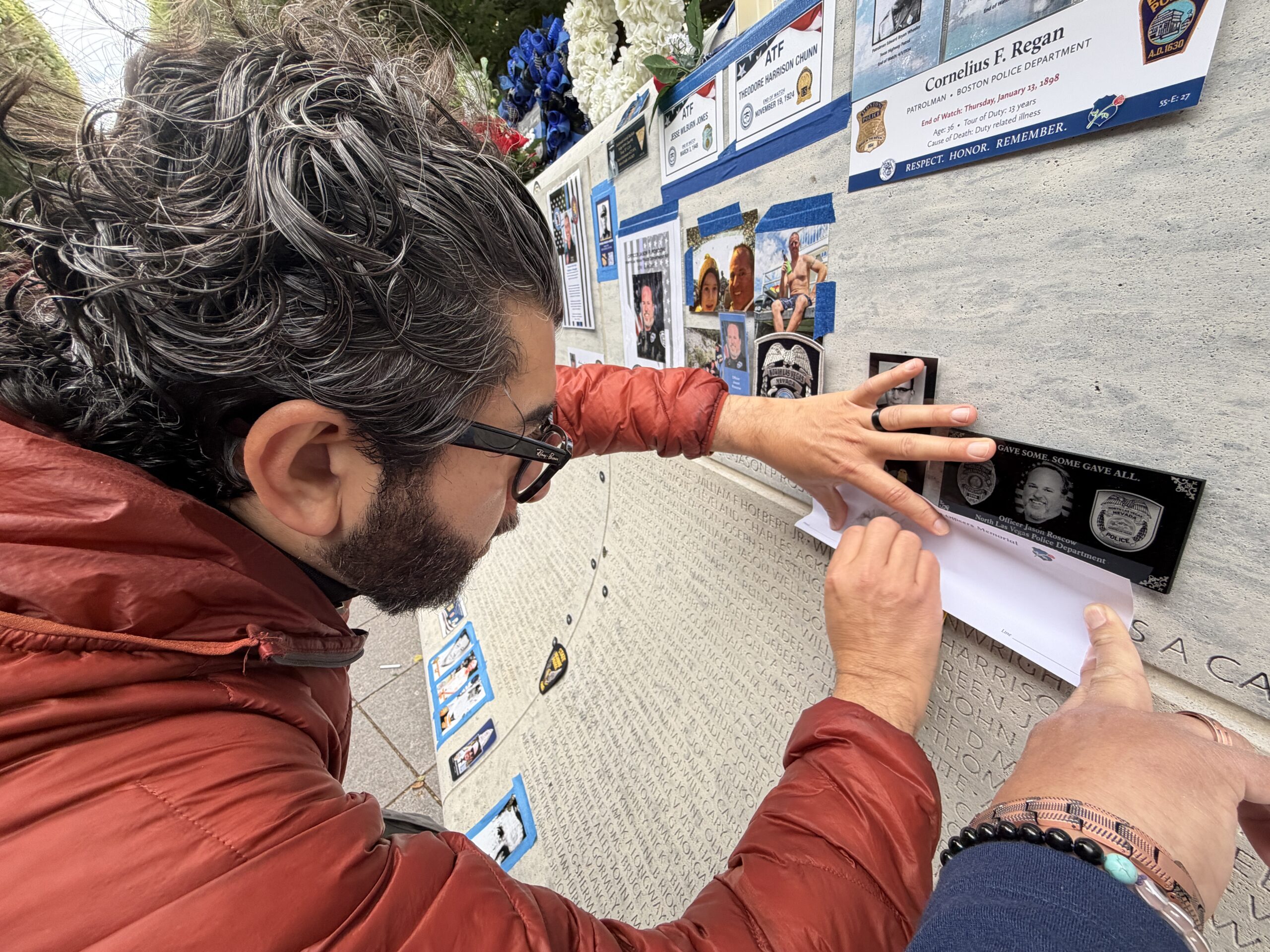
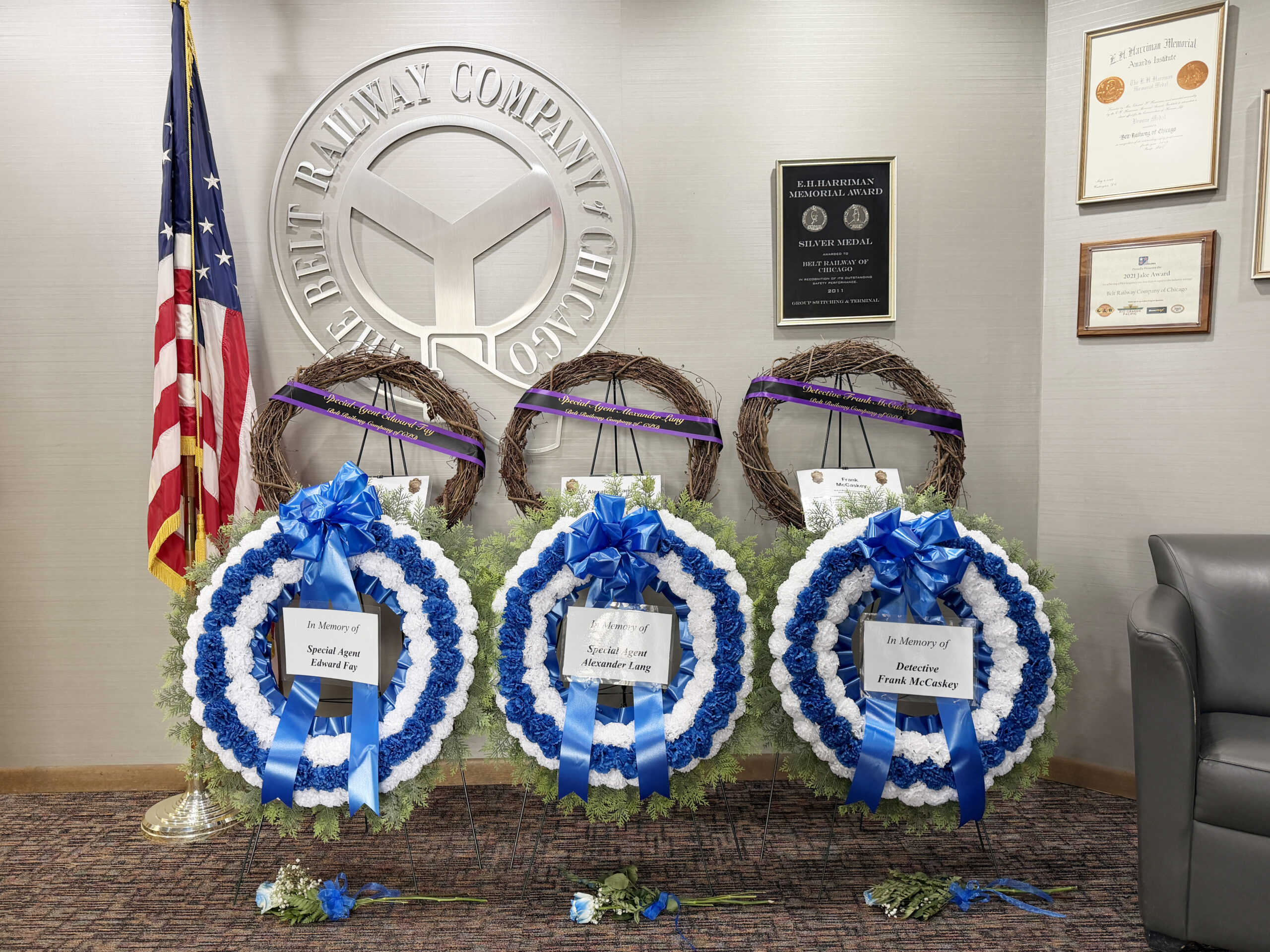
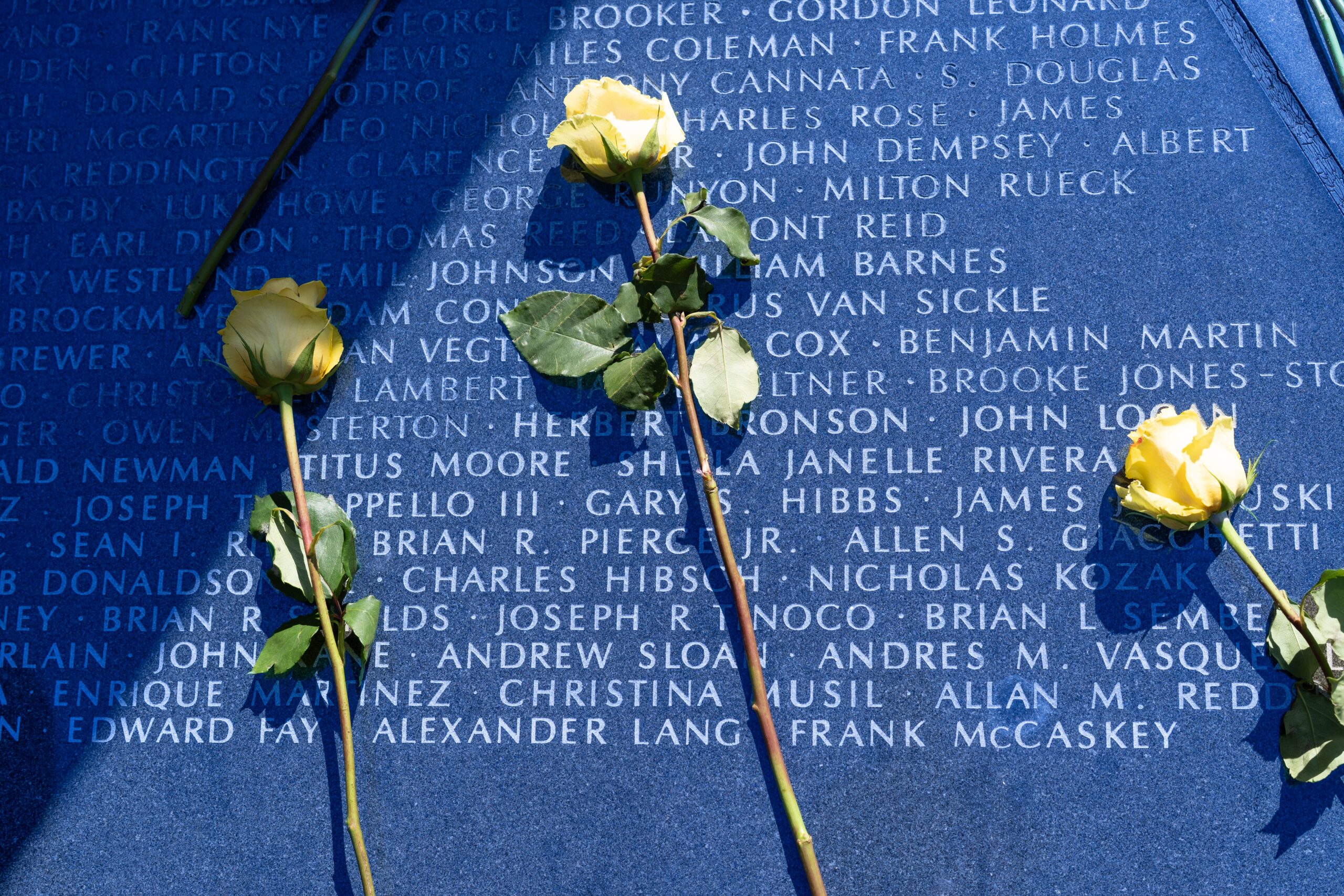
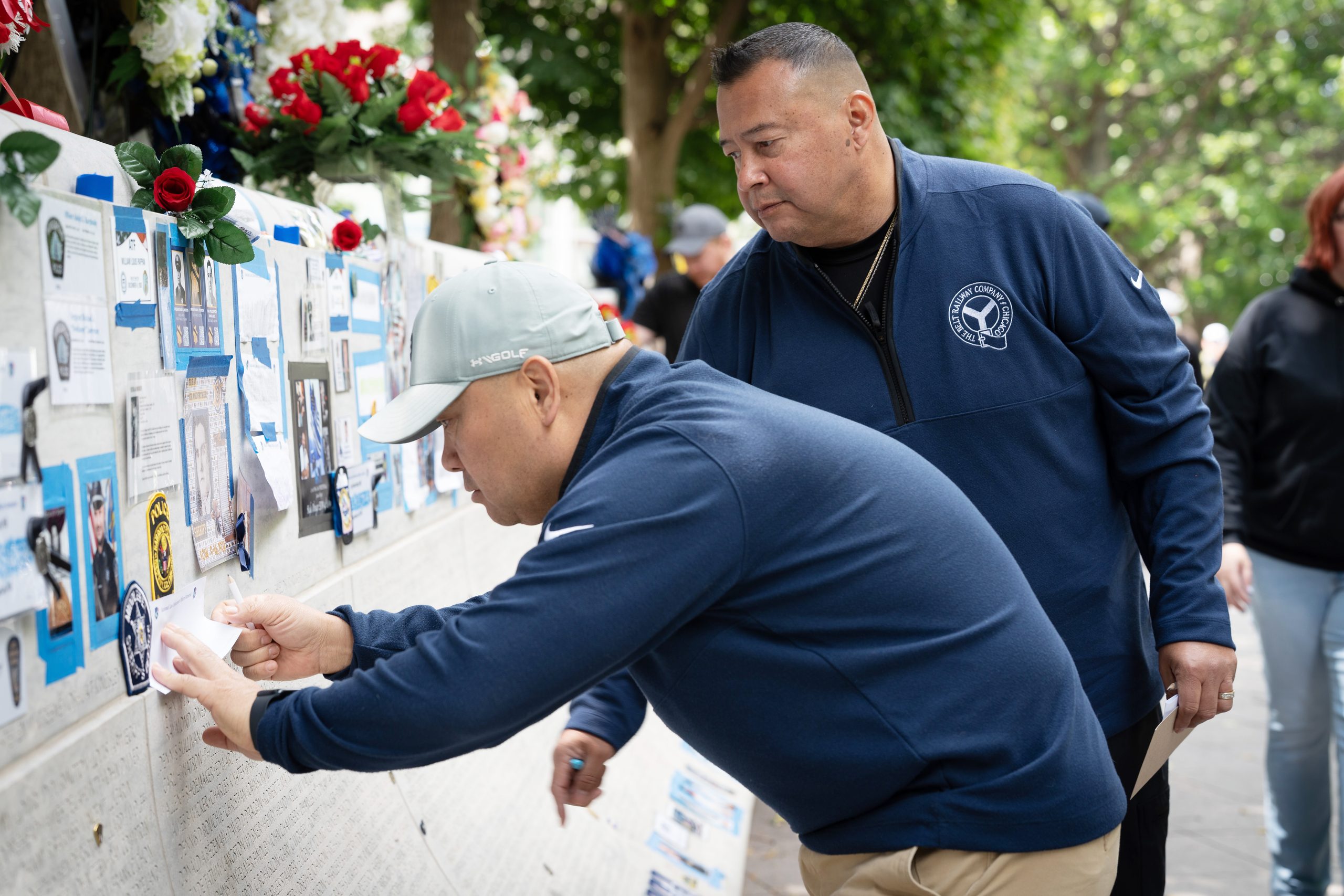
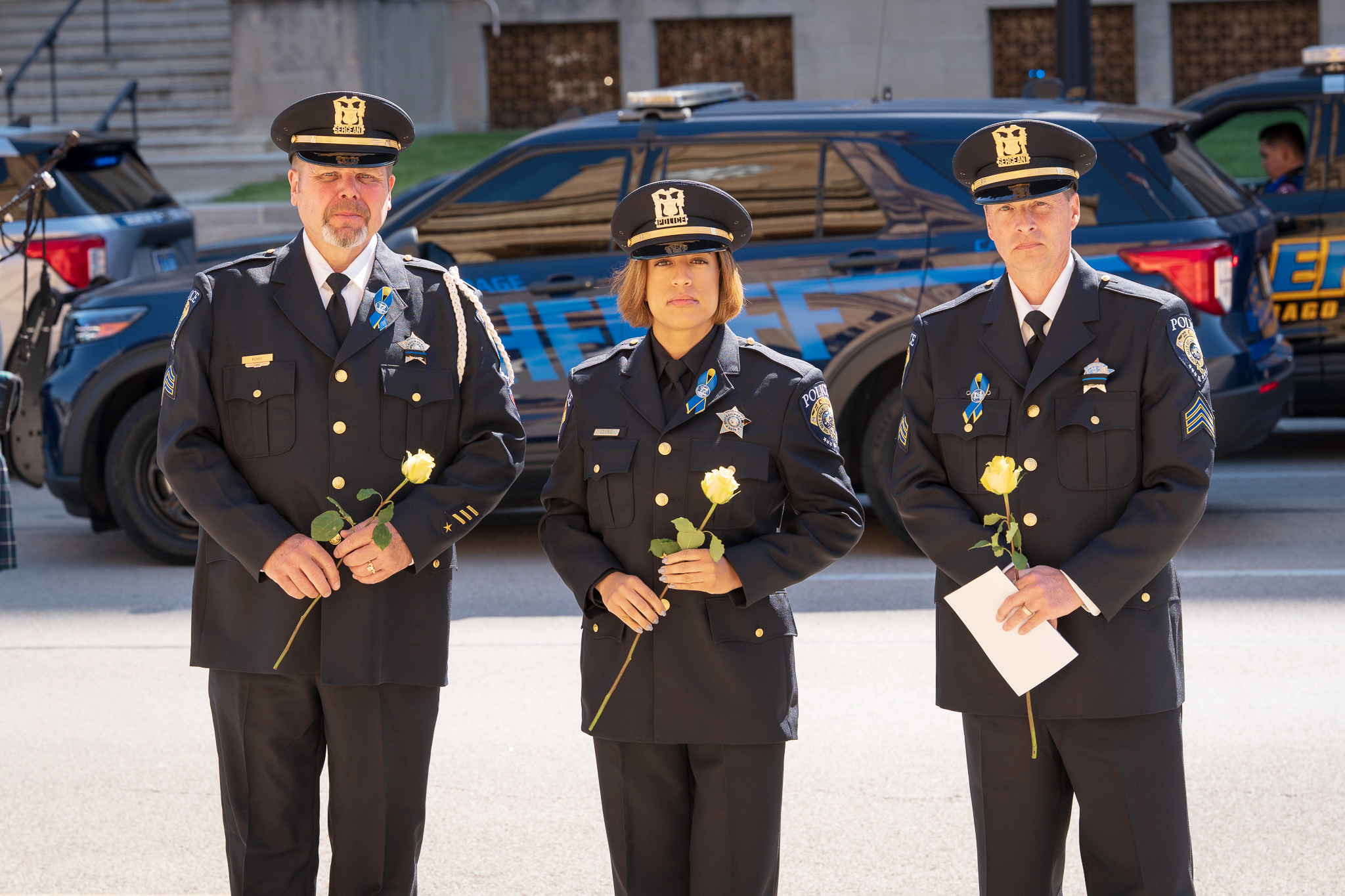
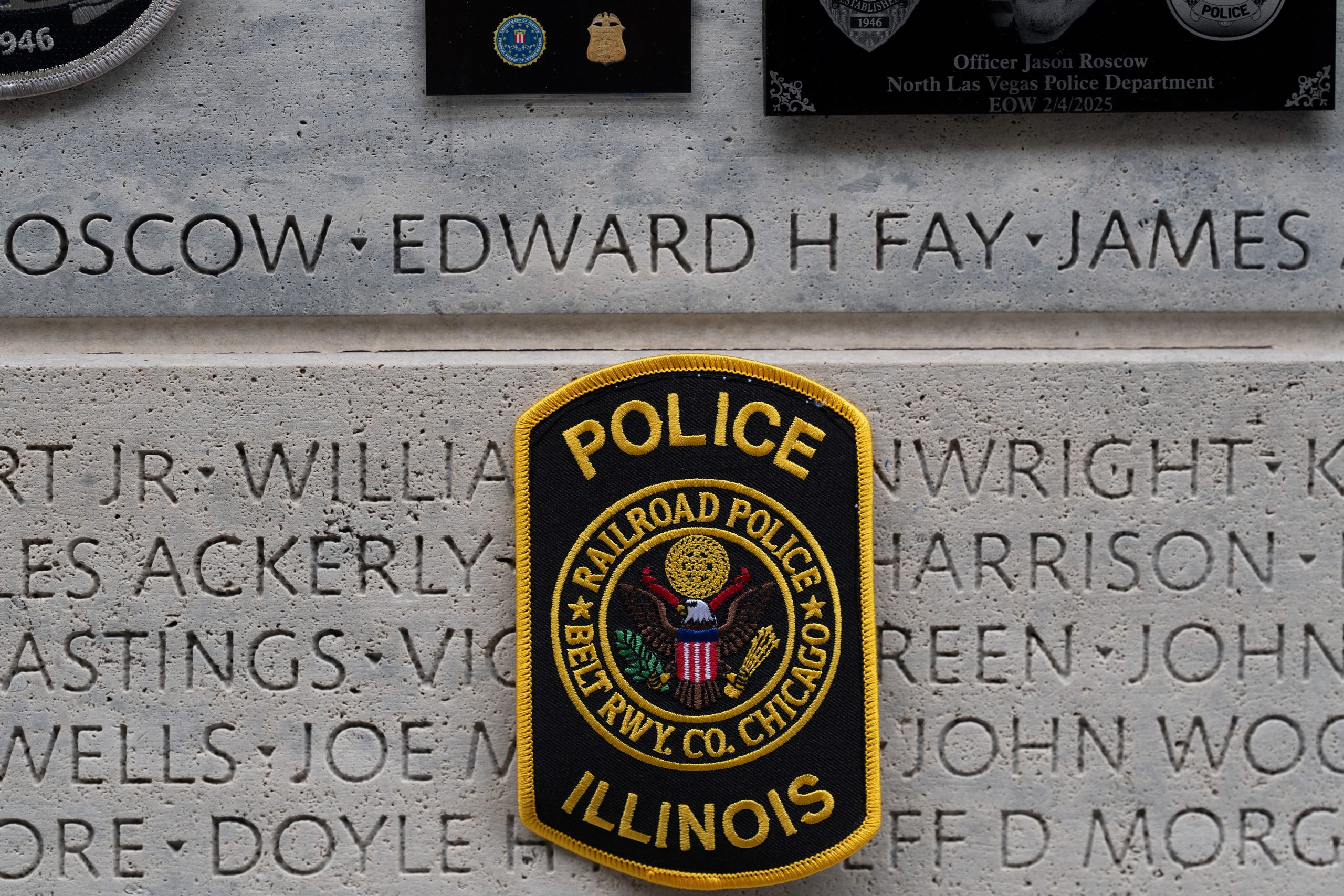
A century after three Belt police officers were killed in the line of duty, their names have been formally added to state, county and national memorial records.
The recognition followed more than a year of research by Belt team members who discovered that the three men, whose deaths occurred from 1918 through 1922, had never been included in the official records maintained for fallen law enforcement personnel.
Sergeant Michael Perry helped lead the effort, working with Digital Media Coordinator Joe Chacon and Chief of Police Ramon Ortiz to research each case, assemble documentation and submit the required applications. The group ultimately saw the men recognized during memorial ceremonies in 2025.
The project began after the Officer Down Memorial Page contacted the Belt about historical cases that appeared to be missing from its records. Perry and the team then worked to verify the information through archival research, death certificates and historical case material.
Some of that work took Chacon and Ortiz to the Cook County Medical Examiner’s Office, where they reviewed original transcripts from investigations conducted more than 100 years ago. The fragile documents offered a glimpse into railroad policing during an era when plainclothes personnel rode trains and participated in operations to catch thieves.
“I’ve given over half my life to this company,” Chacon said. “So every time I learn something new about it, it’s like learning something about your family.”
The connection felt especially personal for Perry, whose own family has ties to the Belt. His great-grandfather, Martin Johnson, worked as a conductor, while his great-uncle Walter Johnson spent his career in the Accounting Department before retiring in 1988.
Perry also brought decades of experience with law enforcement memorials to the effort. He has attended the Illinois state memorial since 1992 and previously served on the Cook County Memorial Board. He also attended the national memorial three times.
That experience shaped his perspective on why the recognition mattered.
“It was just the overwhelming response of other departments throughout the state to come together for honoring the officers who have passed,” Perry said. “It’s to recognize the families, to let the families know that we’re not forgetting your loved ones.”
Although the team was unable to locate relatives of the three men, Belt representatives attended the state, county and national recognitions on their behalf. Their names are now part of the permanent state and national records, while the county memorial is being developed.
“It was very meaningful to memorialize them,” Perry said.
Fallen heroes
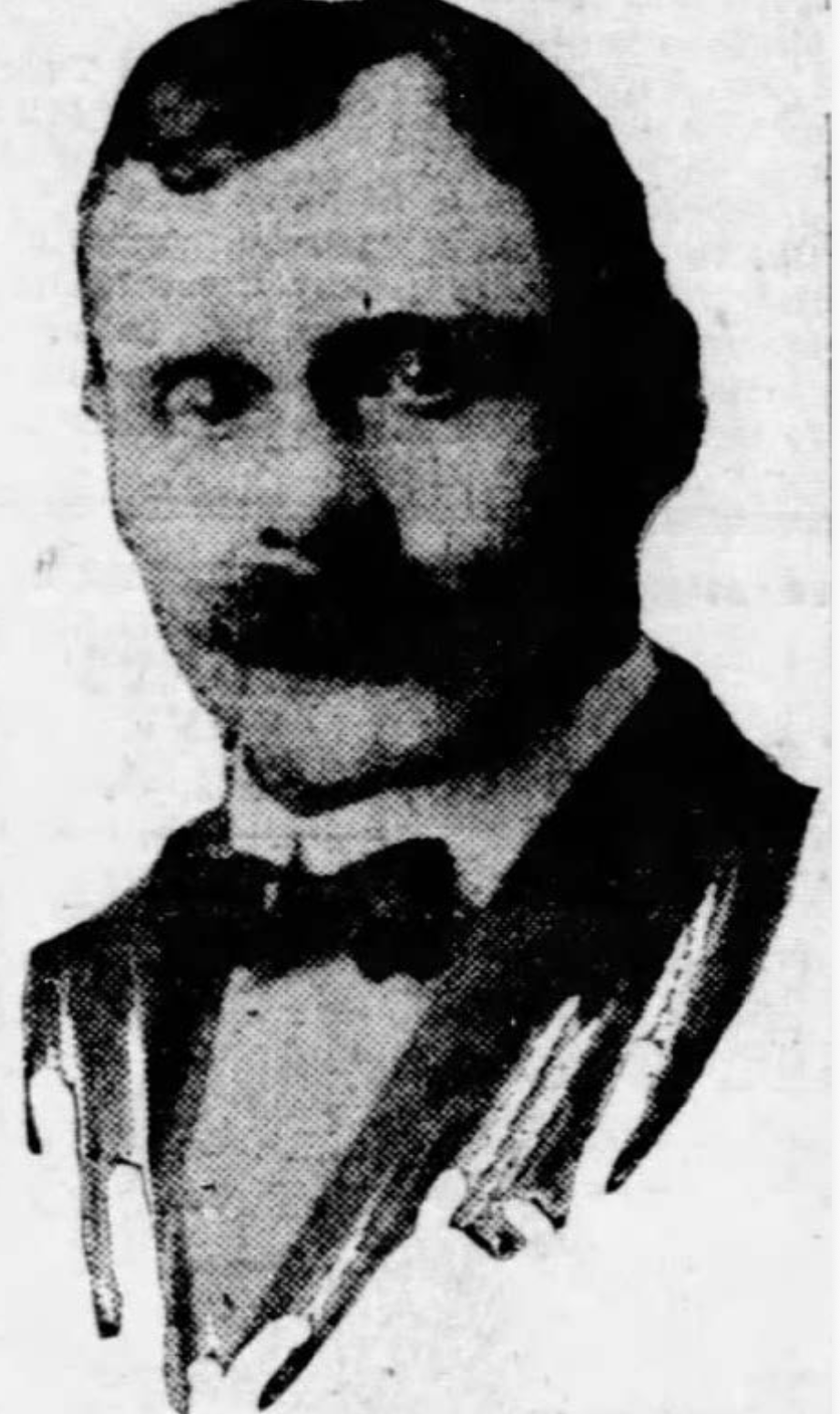
Frank McCaskey
End of Watch: Tuesday, April 2, 1918
(born 1874, died at age 44)
Detective Frank McCaskey was fatally shot by a fellow railroad police officer in a case of mistaken identity.
McCaskey and another officer, Benjamin Gognan, were searching the clearing yards, located on West 75th Street between South Kedzie Avenue and South Rockwell Street, for potential thieves. Another Belt police officer, Thomas W. Kean, mistook McCaskey for a thief and opened fire in the darkness.
Unaware that he had wounded McCaskey, Kean returned home at the end of his shift. The following morning, after reading in the newspaper that McCaskey had been fatally shot, Kean turned himself in.
Edward H. Fay
End of Watch: Tuesday, Nov. 22, 1921
(born 1890, died at age 31)
Special Agent Edward Fay was shot and killed in the Pullman Yards near 94th Street and Greenwood Avenue while attempting to arrest three men burglarizing a freight car.
The men opened fire, striking Fay three times. He was taken to Burnside Hospital, where he died seven days later. Fay was survived by his wife.
Alexander Lang
End of Watch: Sunday, Sept. 17, 1922
(born 1863, died at age 59)
Special Agent Alexander Lang was shot and killed while attempting to arrest trespassers near boxcars at the intersection of 48th Avenue and West 83rd Street.
An active workers᾿ strike was underway at the time, and Lang had received several threats related to his efforts to apprehend trespassers. As he attempted to arrest three men, two of them opened fire with sawed-off shotguns, killing him instantly.
The two men subsequently were arrested and charged with murder. Lang was survived by his wife and four children.